
The Evolution of Co-Working Spaces: What This Means for Urban Office Real Estate
In recent years, co-working spaces have transformed from niche hubs for freelancers and startups into a mainstream choice for businesses of all sizes. This evolution has profound implications for urban office real estate, reshaping how space is utilized and understood within city landscapes. Imagine a bustling urban center where traditional office buildings suddenly house flexible work environments, teeming with diverse professionals who collaborate across industries. This is not just a trend-it’s a revolution in how we think about workspaces.
The significance of this shift cannot be underestimated. For a real estate agent in Rhinelander and nearby areas, navigating this changing landscape presents unique opportunities and challenges. From acquiring new types of clients to understanding the emerging needs of businesses, professionals in the field must adapt to the demands of a modern workforce. This blog post explores the key dynamics of co-working spaces, the role they play in urban office real estate, and what this means for the future.
Understanding the Rise of Co-Working Spaces
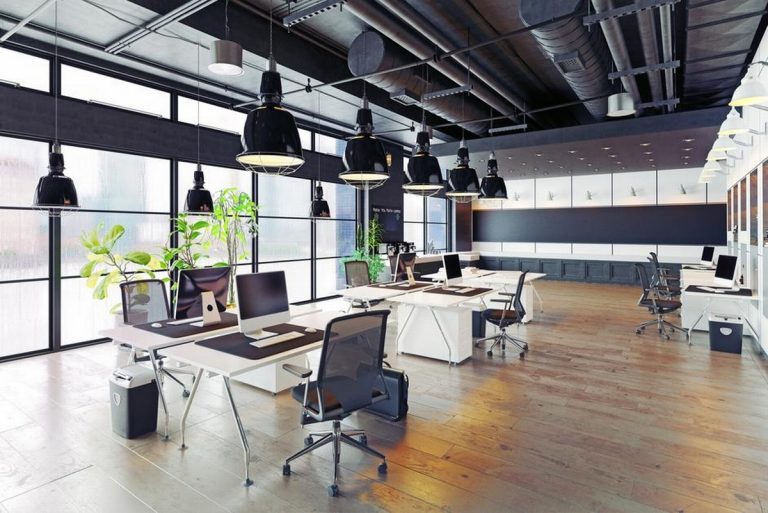
Co-working spaces first emerged out of a need for flexibility and community in the workplace. Unlike traditional office settings, they offer open environments where individuals from different companies can work side by side. This setup fosters creativity and collaboration. Over time, these spaces have evolved from being purely functional to also serving as catalysts for innovation and creativity.
Co-working spaces are no longer viewed merely as a cost-effective solution for small businesses and freelancers. Large corporations are now leveraging these spaces to provide dynamic environments that their employees find engaging. This shift has led to an increased demand for urban office real estate to adapt, affecting market trends and property values.
Benefits and Challenges of Co-Working Spaces
The benefits of co-working spaces are numerous. They offer flexibility in lease terms, which is increasingly appealing to businesses that want to scale operations up or down quickly without being tied to long-term commitments. They also reduce overhead costs related to maintaining a traditional office, making them a budget-friendly option for companies.
However, there are challenges to this trend, especially in urban real estate markets. One significant issue is the need for properties to be renovated or redesigned to accommodate open-plan layouts. Investors and developers must weigh these costs against potential returns, a decision that often requires nuanced insight into local market demands.
Additionally, the social nature of co-working spaces may not be suitable for every type of business, especially those in sectors that require privacy or confidentiality. Yet, in cities like Rhinelander, where the real estate market is more agile, there’s an opportunity to experiment with mixed-use properties that blend traditional and co-working space elements seamlessly.
How Urban Office Real Estate Is Adapting
As co-working spaces proliferate, urban office real estate is undergoing significant adaptation. Property developers are reimagining how office spaces are designed, prioritizing flexibility and tenant experience. Smart building technologies are becoming integral to these new spaces, providing enhanced connectivity and efficient energy consumption-two critical features for sustainability-focused businesses.
In many urban centers, real estate development now includes dedicated co-working floors or amenity-rich environments designed to attract and retain tenants. For investors looking at buying a house in Rhinelander, properties that can be easily converted into spaces compatible with co-working demands may soon become a lucrative opportunity.
To optimize for a changing market, savvy real estate professionals must stay ahead of trends. Focusing on properties that offer flexible leases and can accommodate a variety of business needs positions them well for success as the market continues to evolve.
Strategies for Real Estate Professionals
For real estate professionals in Rhinelander, WI, understanding this shift is crucial. Here are some strategic approaches to leverage the opportunities presented by the evolution of co-working spaces:
- Market Research and Analysis : Stay informed on the latest trends and demands within the co-working sector. Analyze which properties have successfully transitioned to co-working spaces and assess what made them successful.
- Education and Training : Equip yourself and your team with knowledge about the specific needs of co-working tenants. This includes familiarity with design trends, technology needs, and the demographics of typical co-working space users.
- Partnerships and Networking : Building strong connections with co-working space operators can be valuable. These partnerships allow for better negotiation on lease terms and a deeper understanding of tenant needs.
- Flexible Leasing Options : Offering potential space designs adaptable to co-working setups can attract a broader range of clients. Ensuring your leases are also flexible and can accommodate variable terms may make your properties more attractive to tenants looking for agility.
- Sustainability Initiatives : As more businesses prioritize sustainability, ensuring that your properties align with these values could set you apart. This may include installing energy-efficient systems or integrating eco-friendly materials during renovation.
The Future of Urban Office Real Estate
Looking ahead, the trend toward co-working spaces is expected to continue shaping urban office real estate. As technology advances and business needs evolve, the traditional concept of office space is likely to diverge even further from its historical roots. This evolution will continue creating opportunities for innovation in real estate strategies and offerings.
Real estate agents who embrace this change and align their services with the growing demand for flexible and collaborative spaces stand to benefit greatly. The key is to remain adaptable, informed, and forward-thinking-qualities that the team at Durkee Realtor – Redman Realty Group LLC embodies.
Choosing the Right Path: Your Real Estate Partner in Rhinelander, WI
Navigating the complexities of investing in a house in vibrant markets like Rhinelander requires expertise and the ability to anticipate future trends. Partnering with a firm like Durkee Realtor – Redman Realty Group LLC can offer you the insights needed to make informed real estate decisions, whether you’re looking to invest in co-working spaces or traditional office properties. Their team understands the nuances of the evolving real estate landscape and is equipped to guide you through every step of the process.
By leveraging their knowledge and experience, you’ll be well-positioned to capitalize on the opportunities within urban office real estate. Reach out today to discuss your plans and explore the dynamic options available to you in the ever-changing world of real estate.